
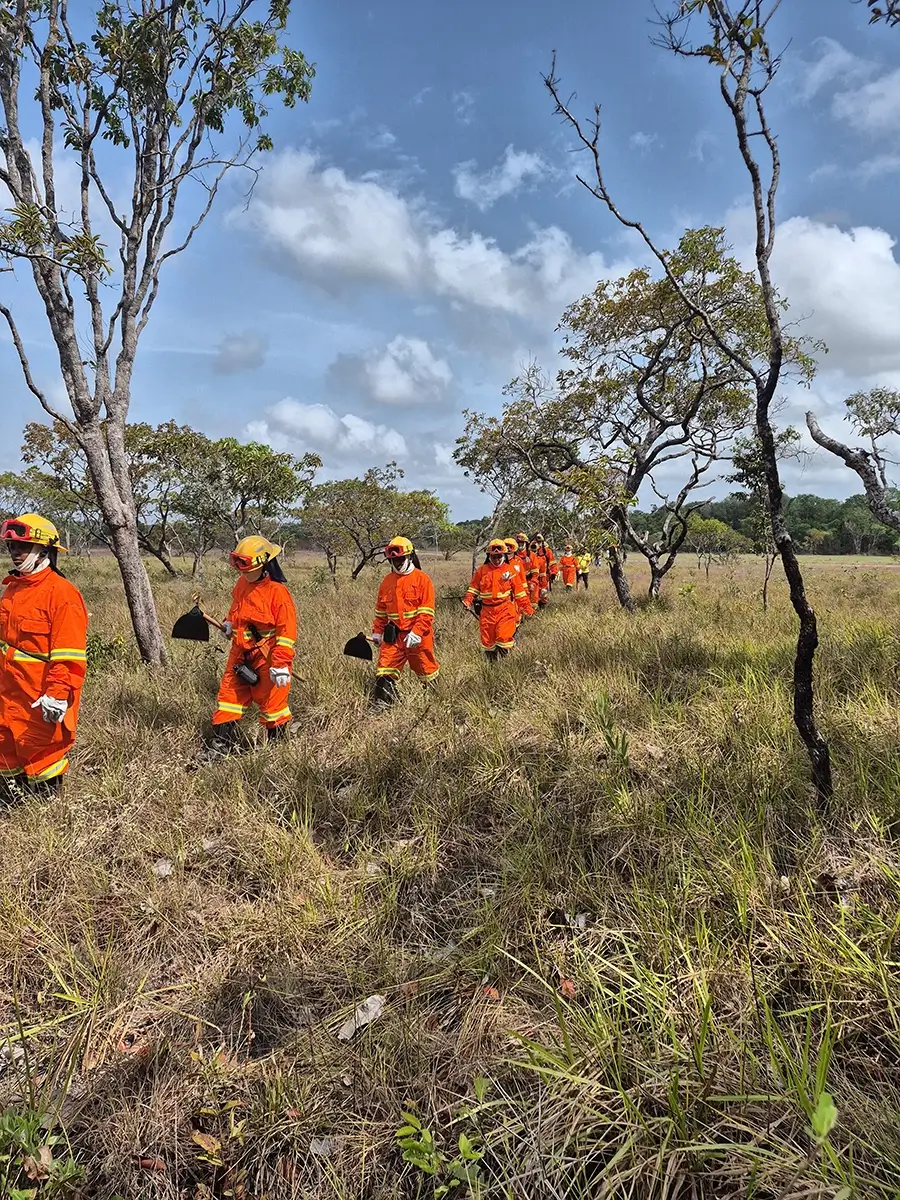
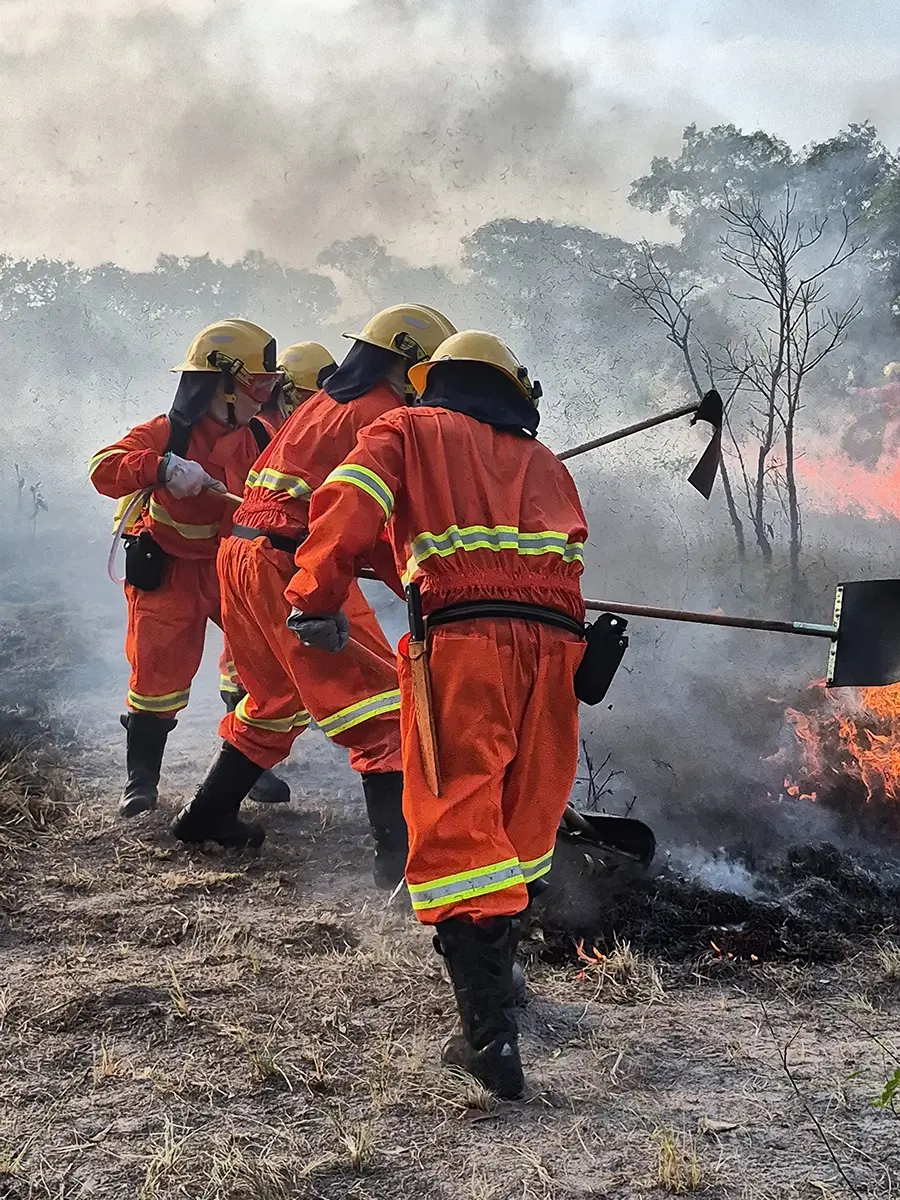
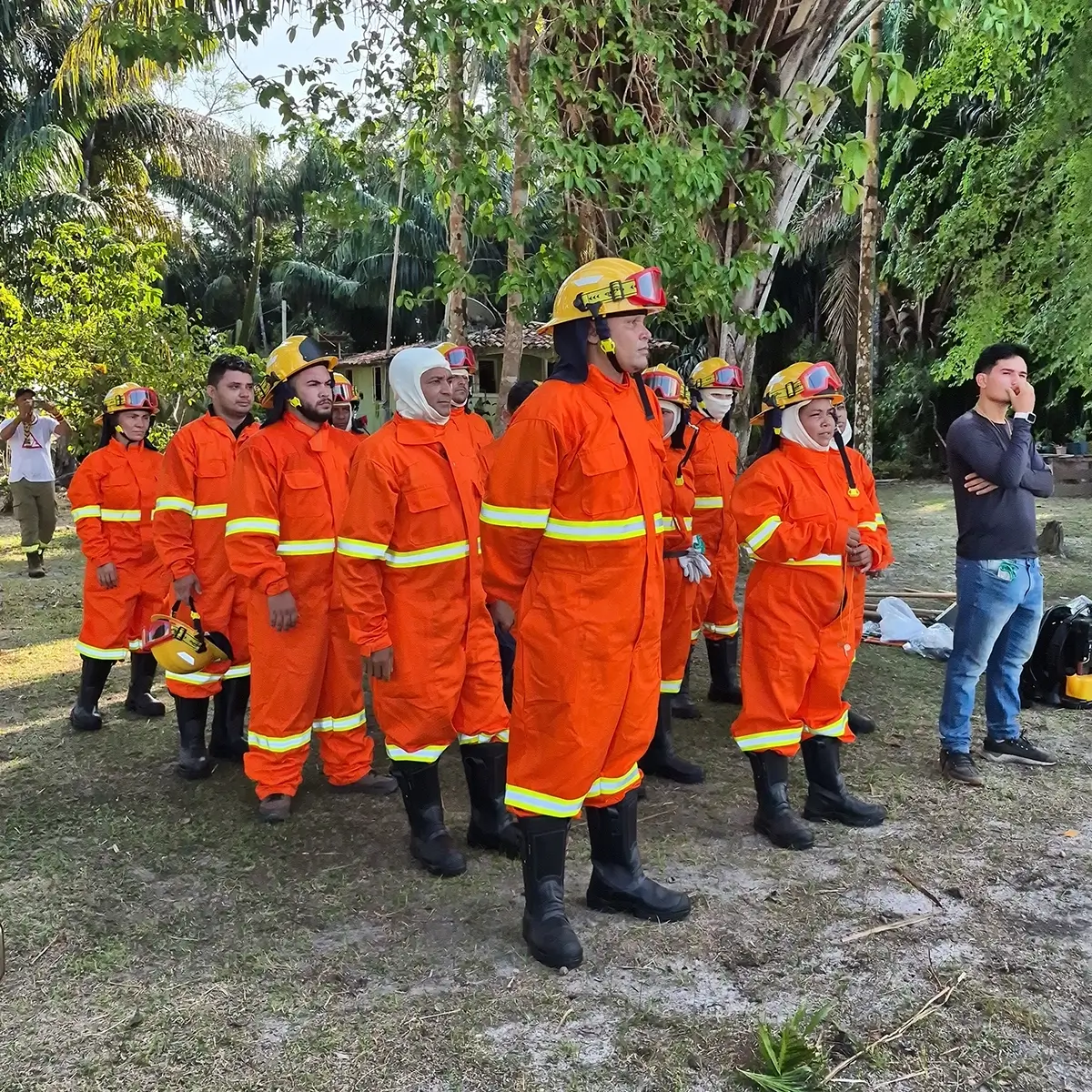
In the Marajó archipelago, recurring fires threaten communities, sociobiodiversity, and health. The project trains and supports community fire brigades using Artificial Intelligence technology, produces educational materials, and works with local stakeholders to address the root causes of the problem.
This is an initiative by Instituto Ar and umgrauemeio, with support from the Clean Air Fund.
Instituto Ar is a nonprofit organization dedicated to protecting human health, with a focus on addressing climate change and air pollution. The organization transforms scientific knowledge into action by influencing public policies and engaging society in the pursuit of a balanced climate and cleaner, healthier air.
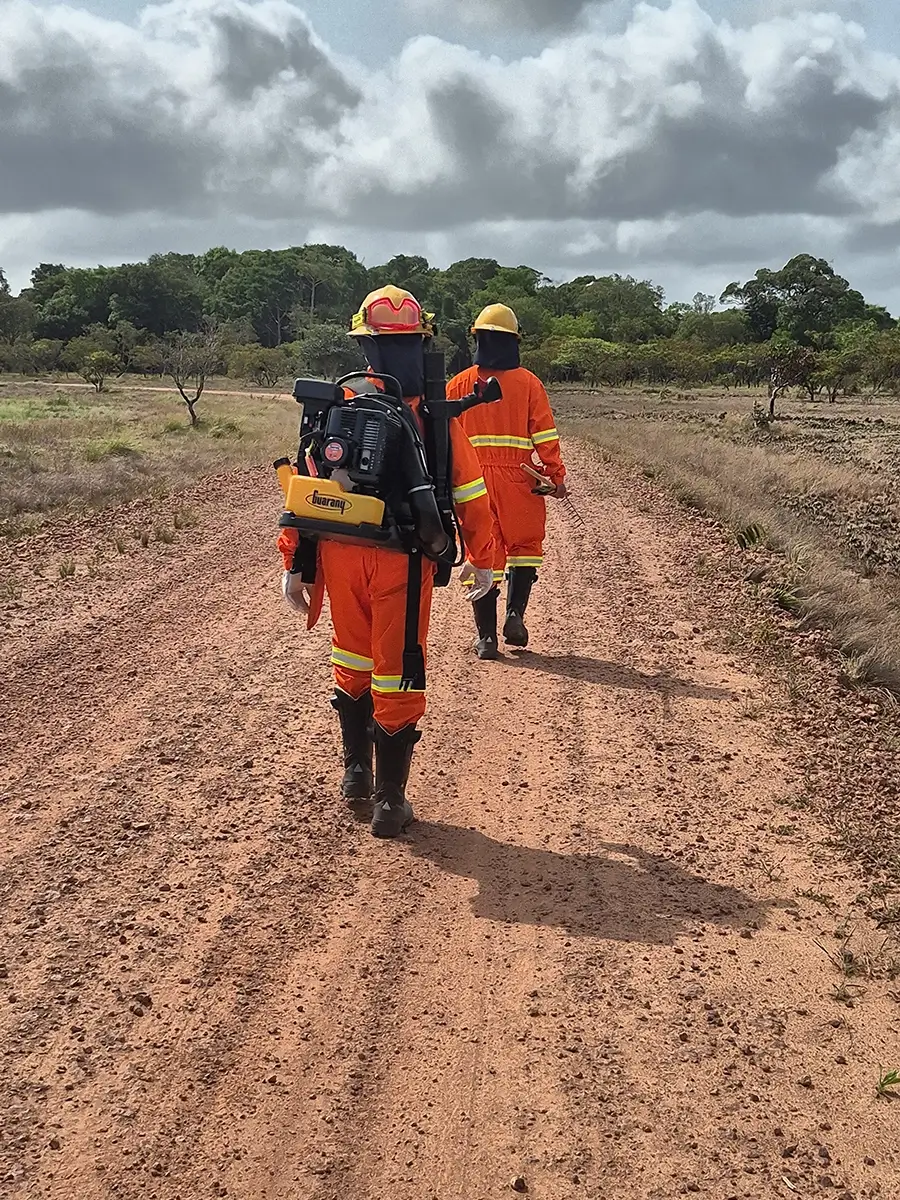
umgrauemeio is a Brazilian climate-tech company behind Pantera, an AI-powered wildland fire management platform that helps structure broader Resilience Architectures in fire-affected territories. Pantera connects technology, capacity building, strategic resources, and improved governance to strengthen prevention, early detection, response coordination, and long-term adaptation.
This project is supported by Clean Air Fund


Context
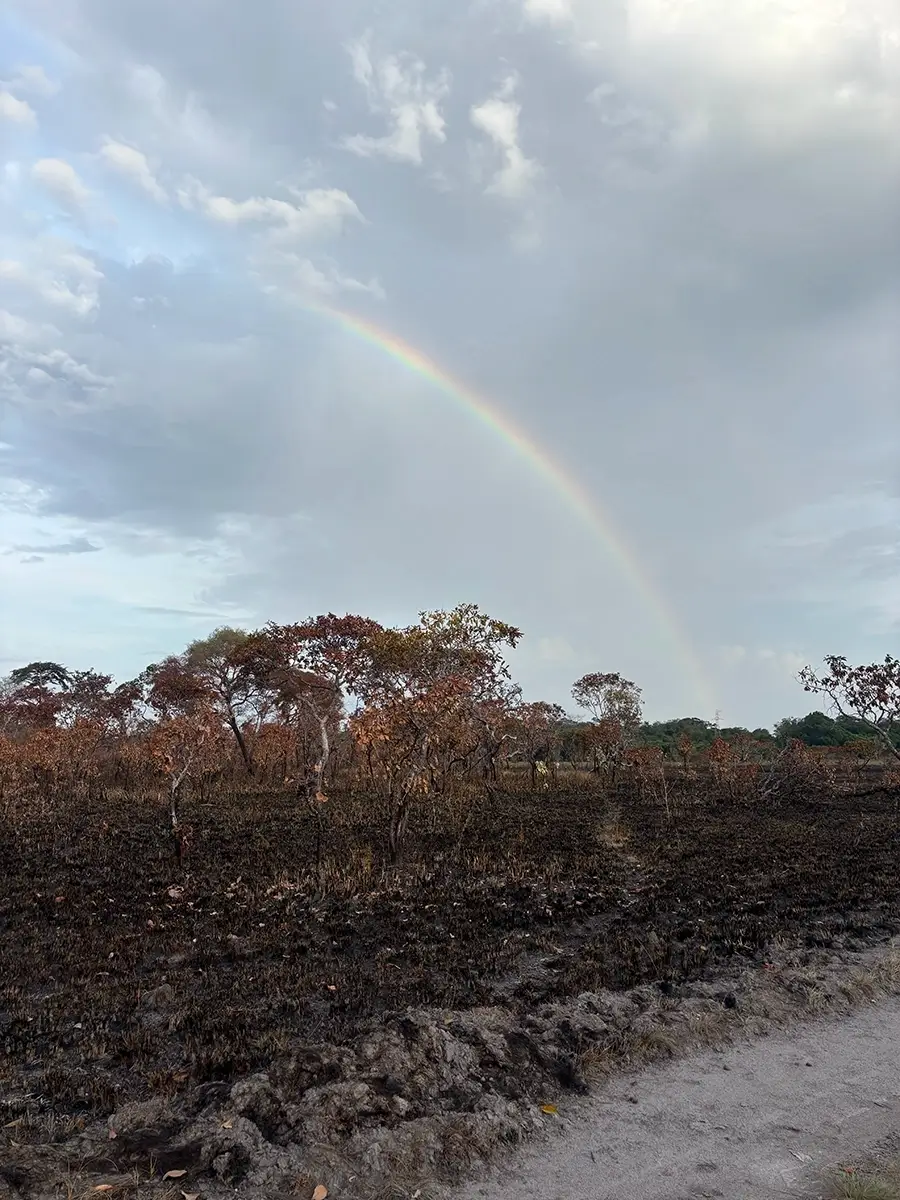
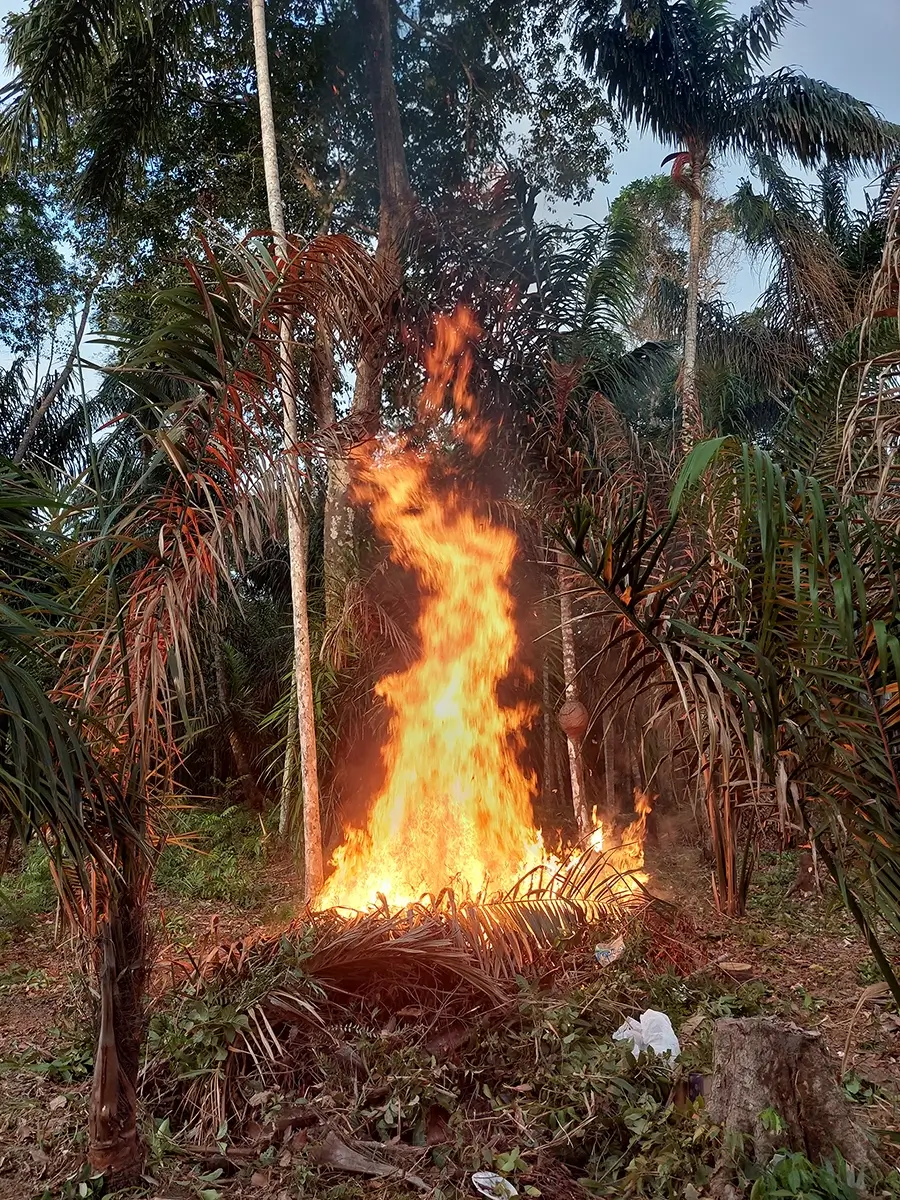
Marajó, the world’s largest river-maritime archipelago, located in the state of Pará, Brazil, faces significant challenges related to fires and black carbon emissions, also known as soot. These emissions affect the respiratory health of local populations and the integrity of Amazonian ecosystems. Traditional communities hold deep knowledge about fire management, but they often lack the tools and support needed to respond quickly to fires.
Our areas
of work
Learn more about our multiple areas of work below.
01
Education and communication
02
Research and data
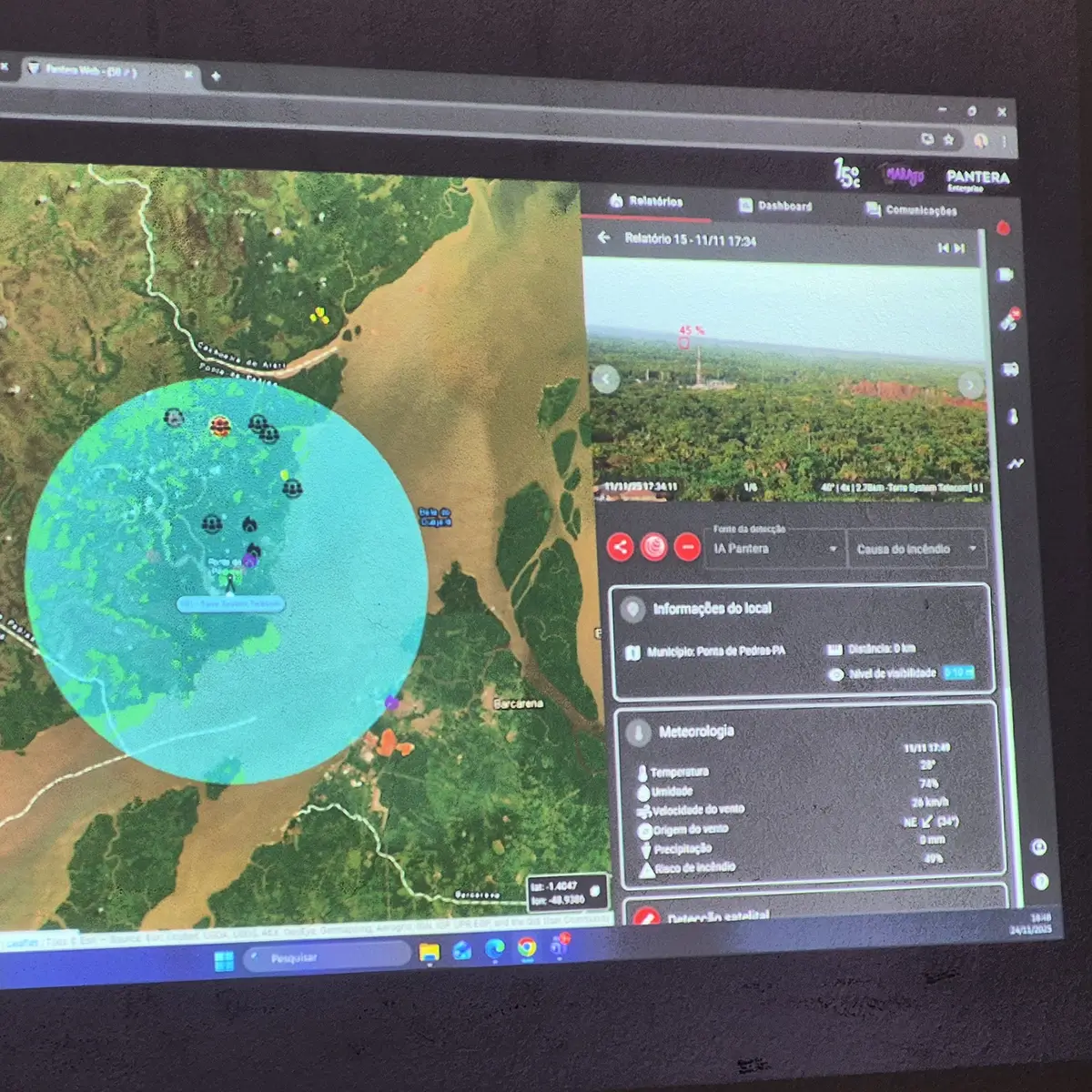
We use the Pantera system, an Artificial Intelligence tool for early fire detection developed by our partner umgrauemeio, and integrate it with traditional knowledge to generate data on the project’s effectiveness, impact, and lessons learned. The data produced informs our strategies and serves as a guide for replicating the model in other regions.
03
Advocacy and coordination
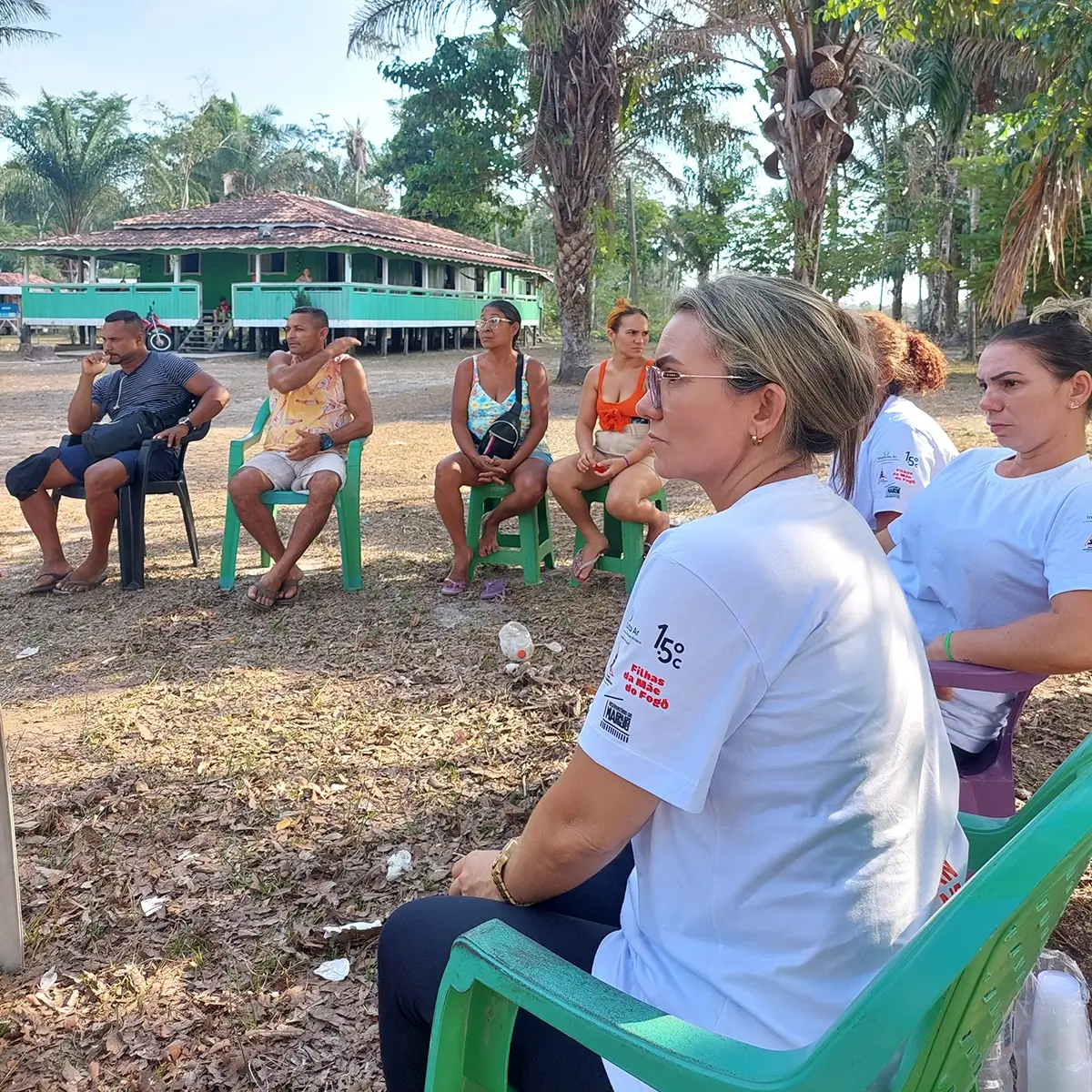
We engage in dialogue with communities, local leaders, and governments to transform lessons learned into concrete public policies. The goal is to create a favorable policy environment for replicating this model in other regions.
Impact
and results
Health
Reduction of black carbon emissions and improvement of air quality.
Environment
Protection of biodiversity and the integrity of Amazonian ecosystems.
Social
Strengthening of community leadership and recognition of traditional knowledge.
Policy
Development of a replicable model that can be expanded to other regions of the Amazon and Brazil.
Stories
Discover the stories of the brigade members and communities involved in the project.





Publications
Access reports, policy briefs, educational materials, and studies on air quality, fire management, and health impacts.
Fire: Friend or Threat?
Educational material for Marajó communities on safe fire management, fire prevention, and reduction of black carbon emissions.
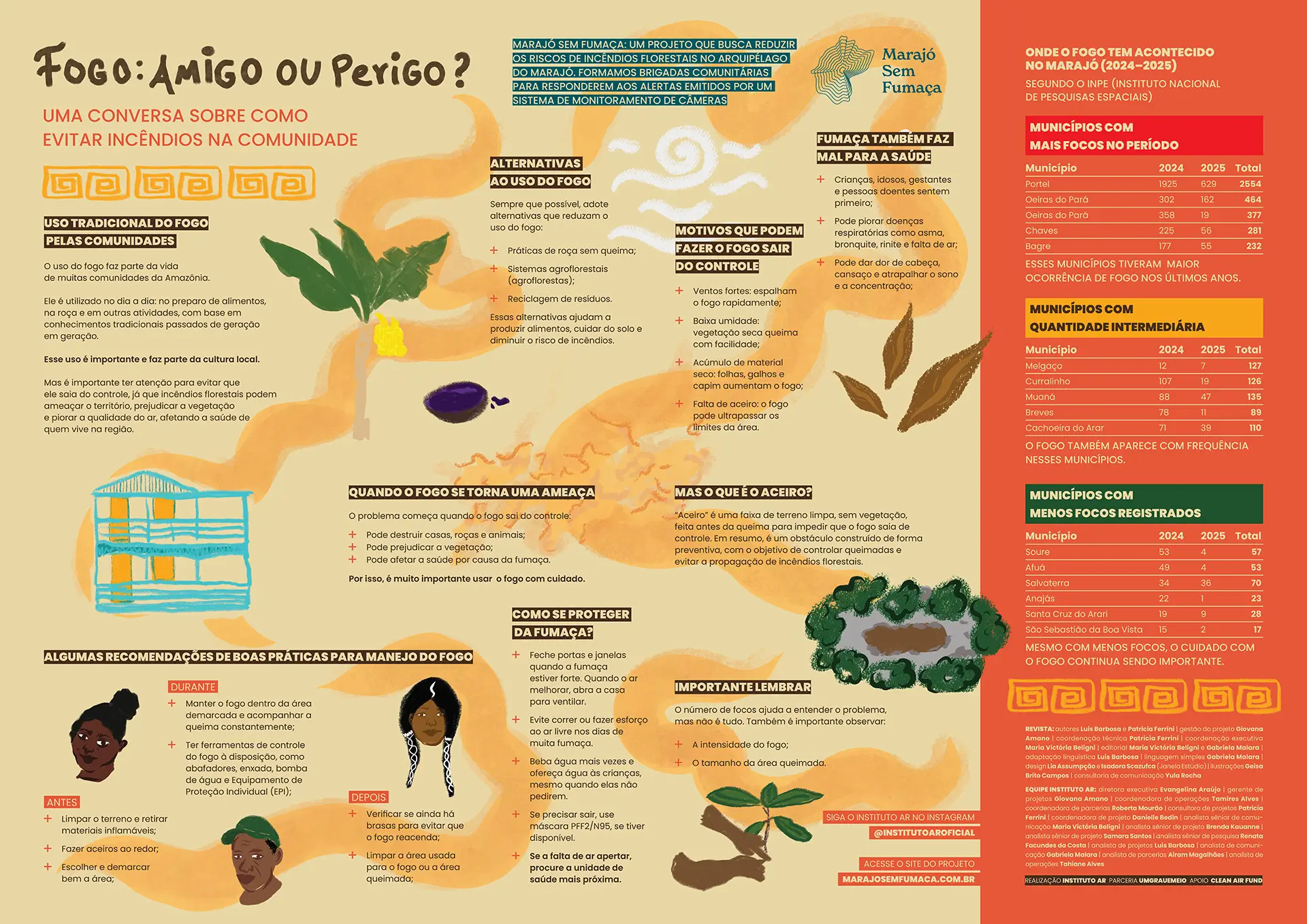
Poster "Fire: Friend or Threat"
To support the safe and responsible use of fire, the magazine features an educational poster. In it, you'll discover how factors like wind and dry weather increase risks, what firebreaks are and how to create them, plus practical recommendations for before, during, and after burning. The material also presents sustainable alternatives to fire use, such as agroforestry systems, and provides an overview of fire hotspots across Marajó municipalities between 2024 and 2025.
Download Free PosterLesson plan
A lesson plan designed to help middle school teachers use our educational magazine in the classroom.
Download Lesson plan
Policy Brief
Analysis of technical and legal aspects of Brazil’s National Policy on Integrated Fire Management and recommendations on how to strengthen them.
Download Policy Brief Media
Follow news, community stories, updates on technology implementation, and lessons learned from our projects.
IA encurta a distância do fogo no Marajó
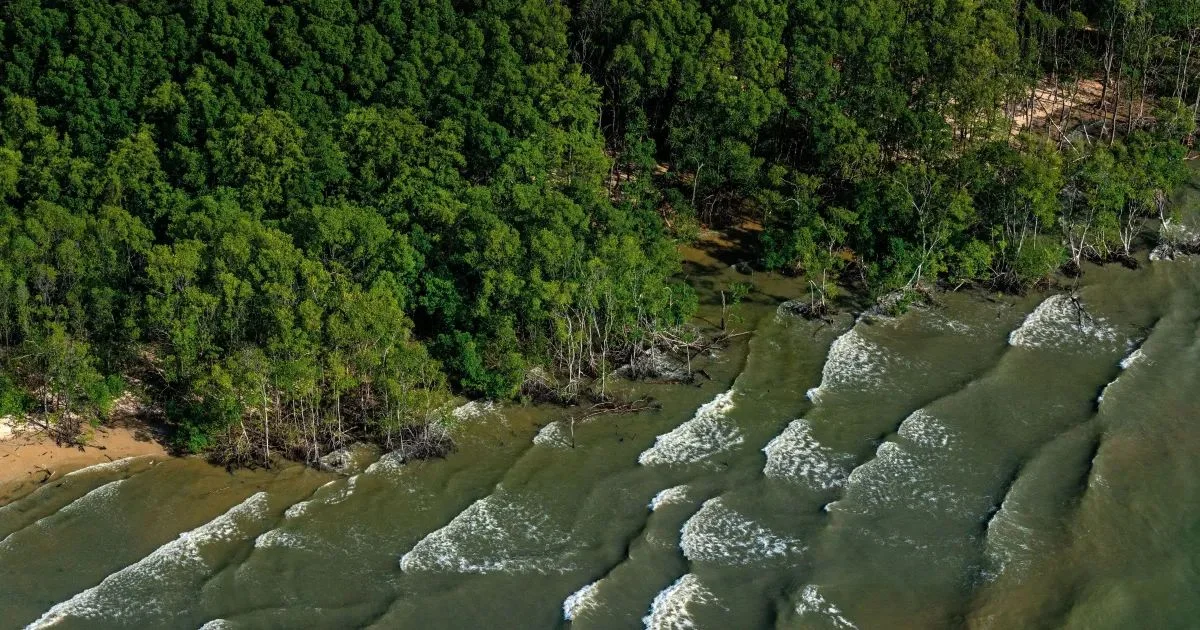
IA e brigada local: teste para reduzir resposta a incêndios no Marajó
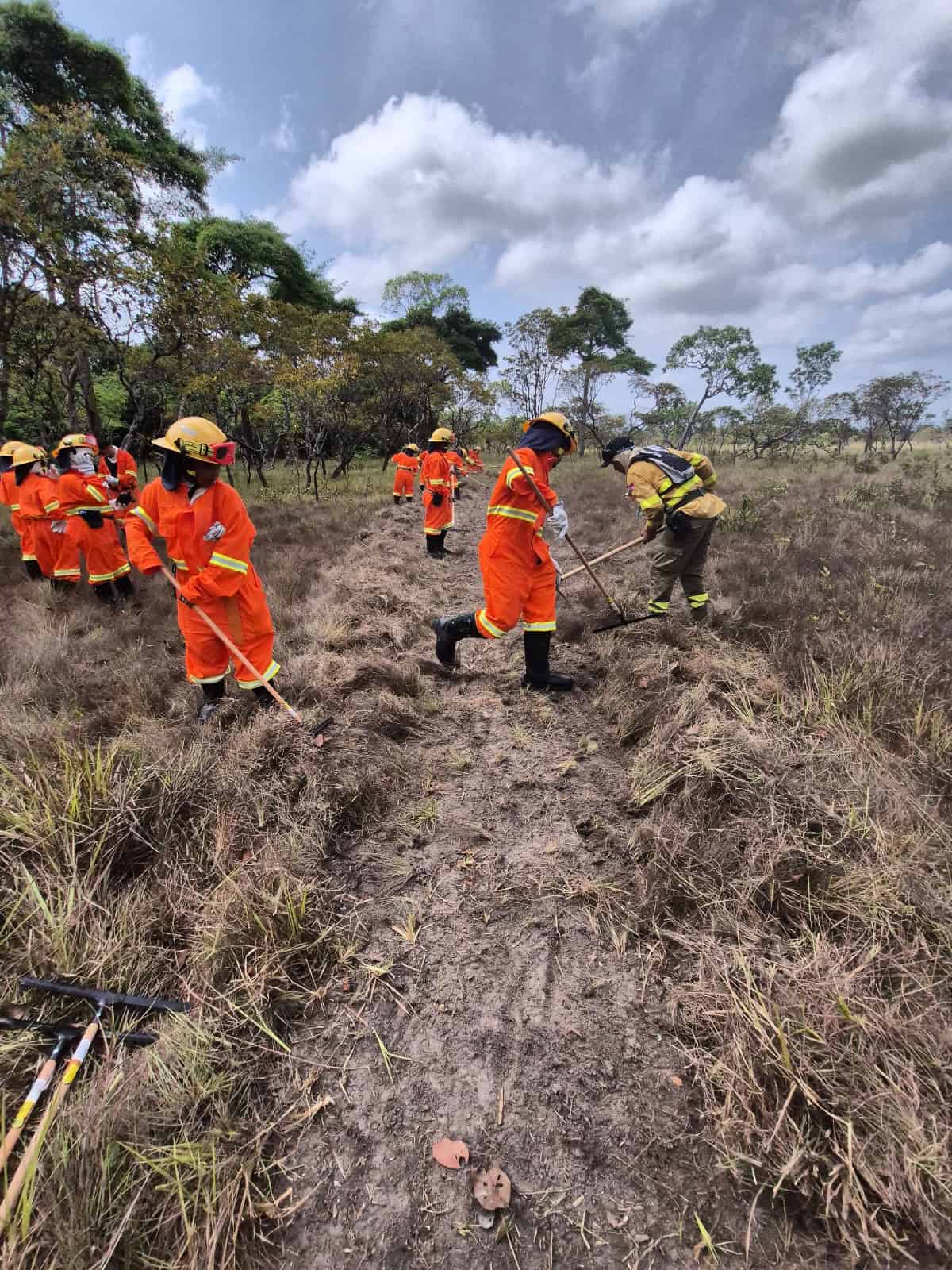
Nota: Projeto Marajó sem Fumaça cria a primeira Brigada Comunitária do Norte a operar com apoio de IA
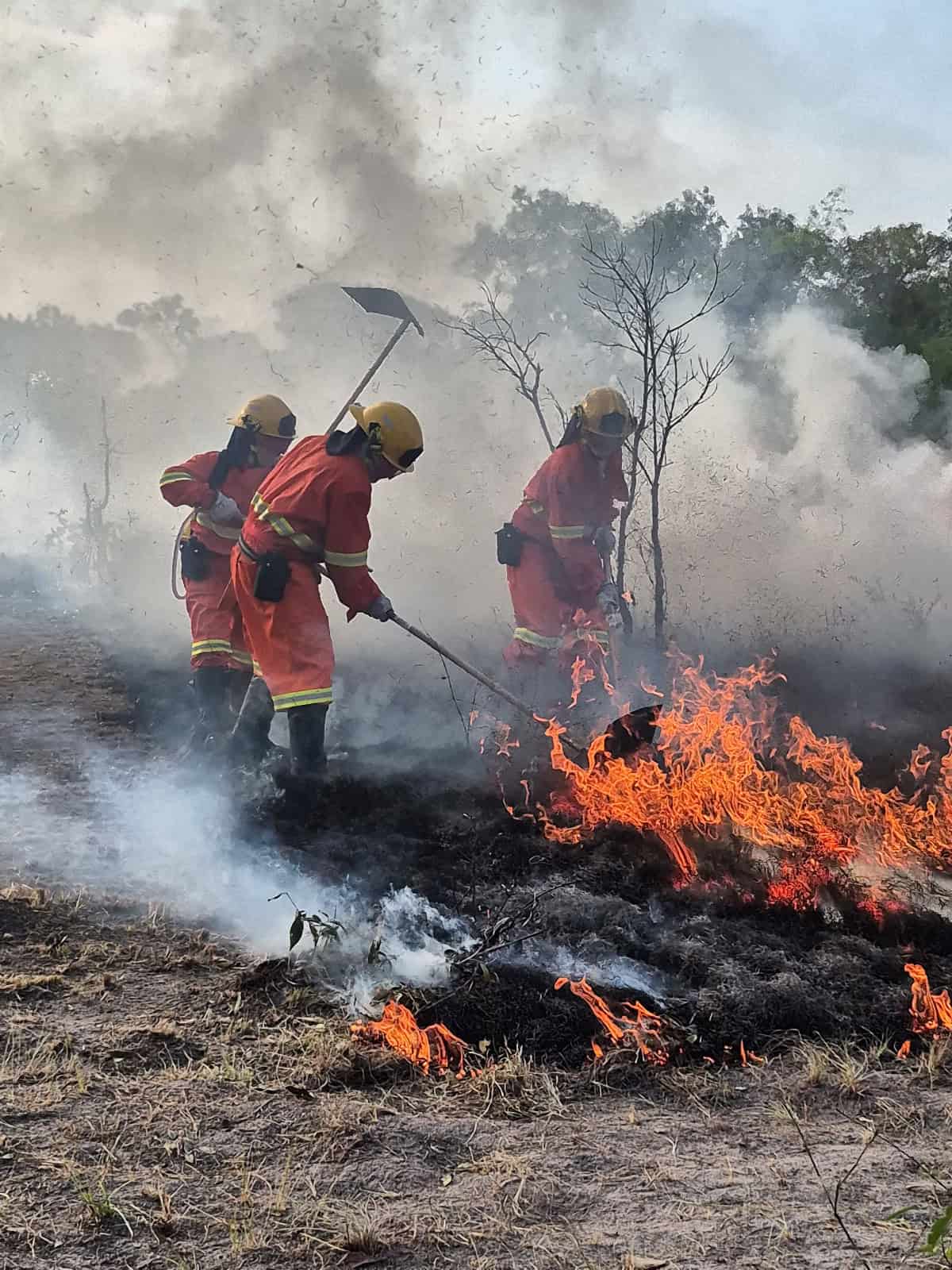
Brigada comunitária do Marajó usará IA para detectar queimadas e acelerar combate ao fogo
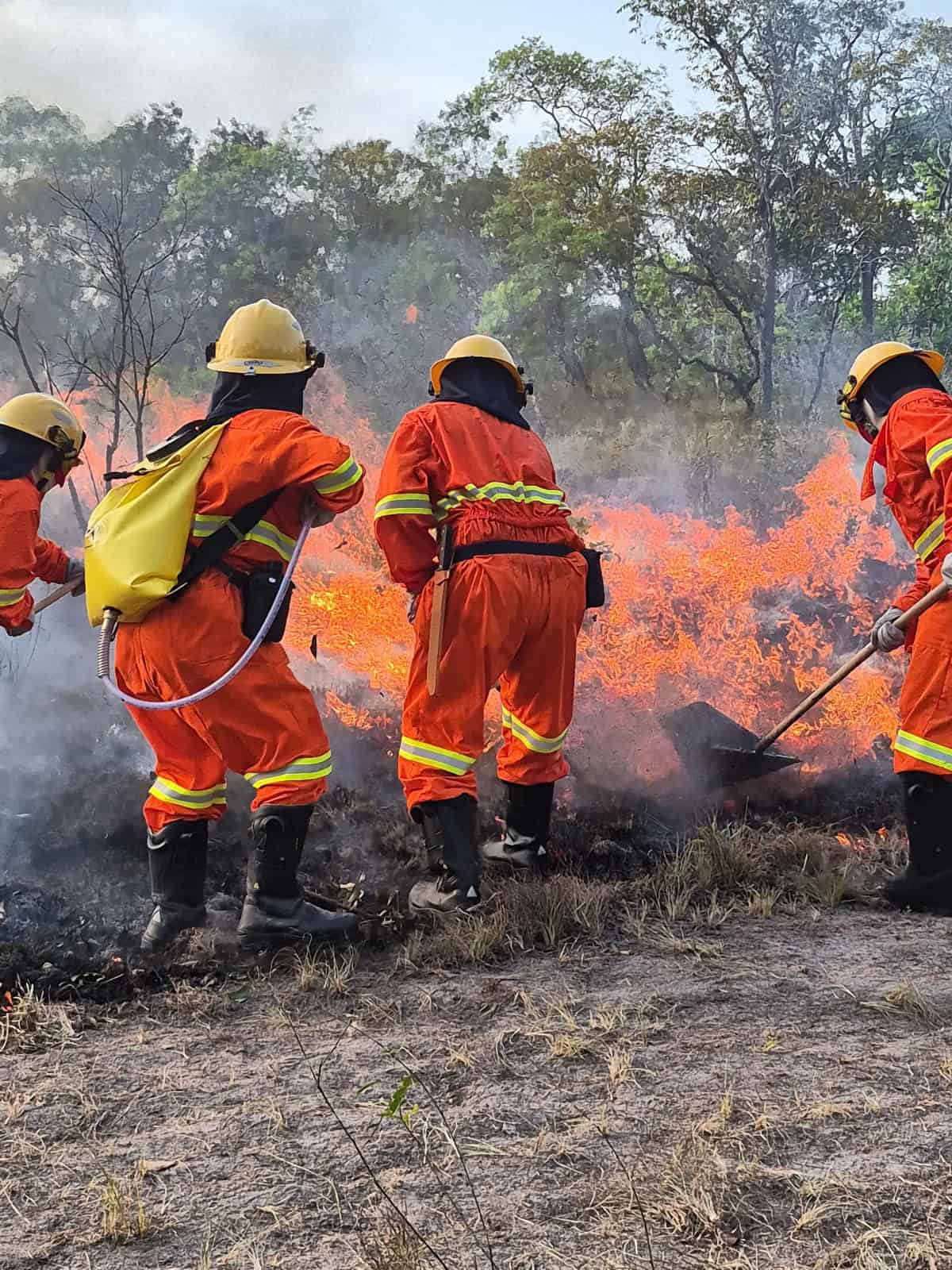
IA se torna aliada de brigadistas no combate a queimadas na Amazônia
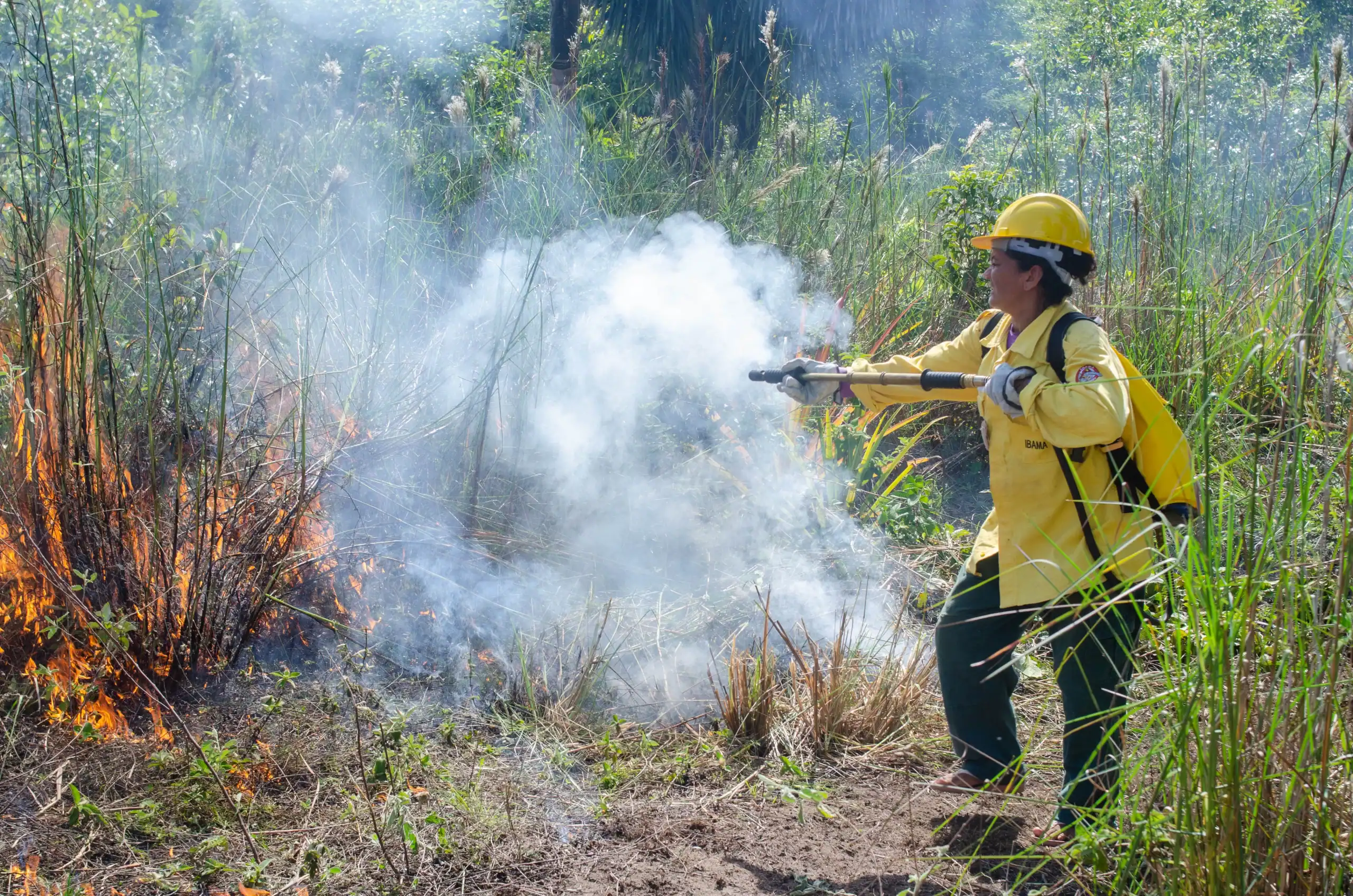
Manejo do fogo surge como resposta às queimadas



No arquipélago do Marajó, queimadas recorrentes ameaçam comunidades, sociobiodiversidade e saúde. O projeto forma e apoia brigadas comunitárias com tecnologia de Inteligência Artificial, produz materiais educativos e articula com agentes locais para enfrentar o problema na raiz.
© 2026 Instituto Ar